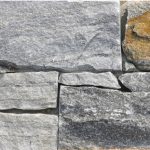
The Evolution of Modern Cultured Stone A Comprehensive Guide to Its Use in Architecture and Design
Introduction Cultured stone, also known as manufactured stone or faux stone, has become a popular choice in modern architecture and design. This versatile material offers the aesthetic appeal of natural stone while providing numerous benefits in terms of cost, durability, and ease of installation. In this article, we will explore the evolution of modern cultured stone, its various applications in architecture and design, and the advantages it offers over natural stone. The History of Cultured Stone Cultured stone has a rich history that dates back to ancient civilizations. The Egyptians, Greeks, and Romans were among the first to use artificial stone in their architectural structures. However, it wasn't until the 20th century that modern cultured stone as we know it today began to emerge. In the 1960s, a company called Owens Corning developed a process for creating lightweight, synthetic stone veneer that could be easily installed on the exterior of buildings. This marked the beginning of the modern cultured stone industry. Since then, advancements in technology and manufacturing techniques have led to the production of a wide range of cultured stone products that closely mimic the look and feel of natural stone. Types of Cultured Stone Modern cultured stone comes in a variety of styles, colors, and textures, making it suitable for a wide range of architectural and design applications. Some of the most popular types of cultured stone include: 1. Limestone: Limestone cultured stone is known for its soft, natural appearance and subtle texture. It is often used to create a rustic or traditional look in both residential and commercial buildings. 2. Slate: Slate cultured stone mimics the rugged, earthy appearance of natural slate. It is commonly used to add a touch of elegance and sophistication to interior and exterior spaces. 3. Granite: Granite cultured stone is prized for its durability and luxurious aesthetic. It is frequently used in high-end residential and commercial projects to create a sense of opulence and grandeur. 4. Brick: Brick cultured stone replicates the timeless charm of traditional brick masonry. It is a popular choice for adding a touch of warmth and character to modern buildings. 5. River Rock: River rock cultured stone features smooth, rounded stones that evoke the natural beauty of riverbeds. It is often used to create a serene and tranquil atmosphere in outdoor spaces. Applications of Cultured Stone Cultured stone can be used in a wide range of architectural and design applications, both indoors and outdoors. Some of the most common uses of cultured stone include: 1. Exterior Cladding: Cultured stone is often used as a cladding material for the exterior of buildings. It can be applied to walls, columns, and facades to enhance the visual appeal of the structure and create a welcoming entrance. 2. Interior Accent Walls: Cultured stone can be used to create stunning accent walls in interior spaces such as living rooms, dining rooms, and entryways. It adds texture, depth, and visual interest to the room, making it a focal point of the design. 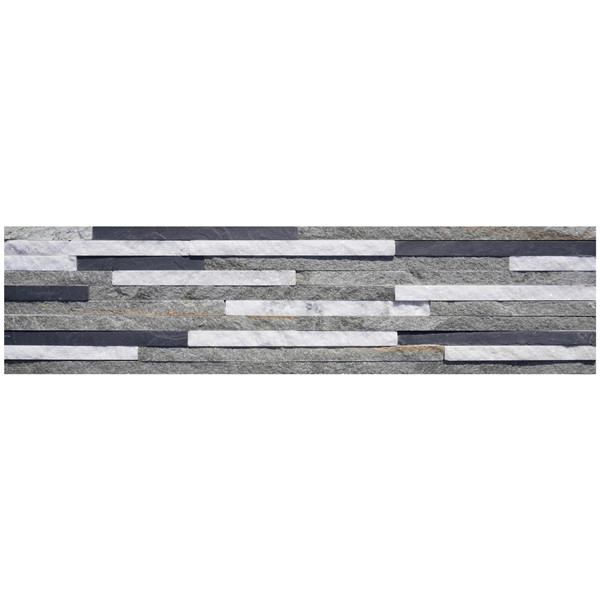 3. Fireplace Surrounds: Cultured stone is a popular choice for fireplace surrounds due to its heat resistance and durability. It can be used to create a cozy and inviting atmosphere in living rooms, bedrooms, and outdoor spaces. 4. Kitchen Backsplashes: Cultured stone is a practical and stylish choice for kitchen backsplashes. It adds a touch of elegance and sophistication to the space while providing a durable and easy-to-clean surface. 5. Landscape Design: Cultured stone can be used to create stunning landscaping features such as retaining walls, garden borders, and water features. Its natural appearance blends seamlessly with outdoor surroundings, creating a harmonious and inviting outdoor space. Advantages of Cultured Stone Cultured stone offers several advantages over natural stone, making it a popular choice for architects, designers, and homeowners. Some of the key benefits of cultured stone include: 1. Cost-Effective: Cultured stone is more affordable than natural stone, making it a cost-effective option for projects with budget constraints. It allows designers to achieve the look of natural stone at a fraction of the cost. 2. Lightweight: Cultured stone is lightweight and easy to handle, making it easier and more cost-effective to transport and install. Its lightweight nature also reduces the structural load on buildings, making it suitable for a wide range of architectural applications. 3. Versatile: Cultured stone comes in a wide range of styles, colors, and textures, allowing designers to create custom looks to suit any design aesthetic. It can be used in both traditional and contemporary designs, making it a versatile choice for a variety of projects. 4. Low Maintenance: Cultured stone requires minimal maintenance compared to natural stone. Flagstone vs slate in gardens is resistant to mold, mildew, and staining, making it a durable and long-lasting option for both interior and exterior applications. 5. Sustainable: Cultured stone is an environmentally friendly choice as it is made from natural materials such as cement, aggregates, and pigments. It is also recyclable, reducing waste and minimizing its impact on the environment. Conclusion Modern cultured stone has come a long way since its inception in the 1960s. With its wide range of styles, colors, and textures, as well as its numerous advantages over natural stone, cultured stone has become a popular choice for architects, designers, and homeowners alike. Whether used as exterior cladding, interior accent walls, fireplace surrounds, or landscaping features, cultured stone adds a touch of elegance and sophistication to any architectural or design project. Its cost-effectiveness, lightweight nature, versatility, low maintenance, and sustainability make it a practical and stylish choice for modern construction and design. As the cultured stone industry continues to evolve, we can expect to see even more innovative uses and applications of this versatile material in the future.